Leveraging AI for Content Creation and Ethical practices - నైతికత పాటిస్తూ కంటెంట్ తయారికి కృత్రిమ మేథ (AI)ని ఉపయోగించడం
| साइट: | Dr. B.R. Ambedkar Open University Online Learning Portal |
| कोर्स: | Creating accessible interactive OER with H5P for STEM Educators in Bilingual ( English and Telugu Languages)-2026 |
| पुस्तक: | Leveraging AI for Content Creation and Ethical practices - నైతికత పాటిస్తూ కంటెంట్ తయారికి కృత్రిమ మేథ (AI)ని ఉపయోగించడం |
| द्वारा छापा गया: | अतिथि उपयेागकर्ता |
| दिनांक: | रविवार, 18 अक्तूबर 2026, 5:45 AM |
विवरण
Here you can read about 'What is AI?, Is using AI cheating: What are the teachers’ reactions?, Leveraging AI for Content Creation (OER for STEM education) and Ethical practices.
ఇక్కడ కృత్రిమ మేథ (AI) అంటే ఏమిటి? AIని ఉపయోగించడం నైతిక పరంగా సమంజసమా: ఉపాధ్యాయుల ప్రతిస్పందన ఏమిటి?
నైతికత తో STEM OER కోసం (AI) కృత్రిమ మేథని ఉపయోగించడం వంటి అంశాలపై వివరాలు ఉన్నాయి.
1. What is AI?
Definition
The original definition of artificial intelligence by McCarthy (1956, cited in Russell & Norvig, 2010) is:
Every aspect of learning or any other feature of intelligence can in principle be so precisely described that a machine can be made to simulate it. An attempt will be made to find how to make machines use language, form abstractions and concepts, solve kinds of problems now reserved for humans, and improve themselves.
What AI can do?
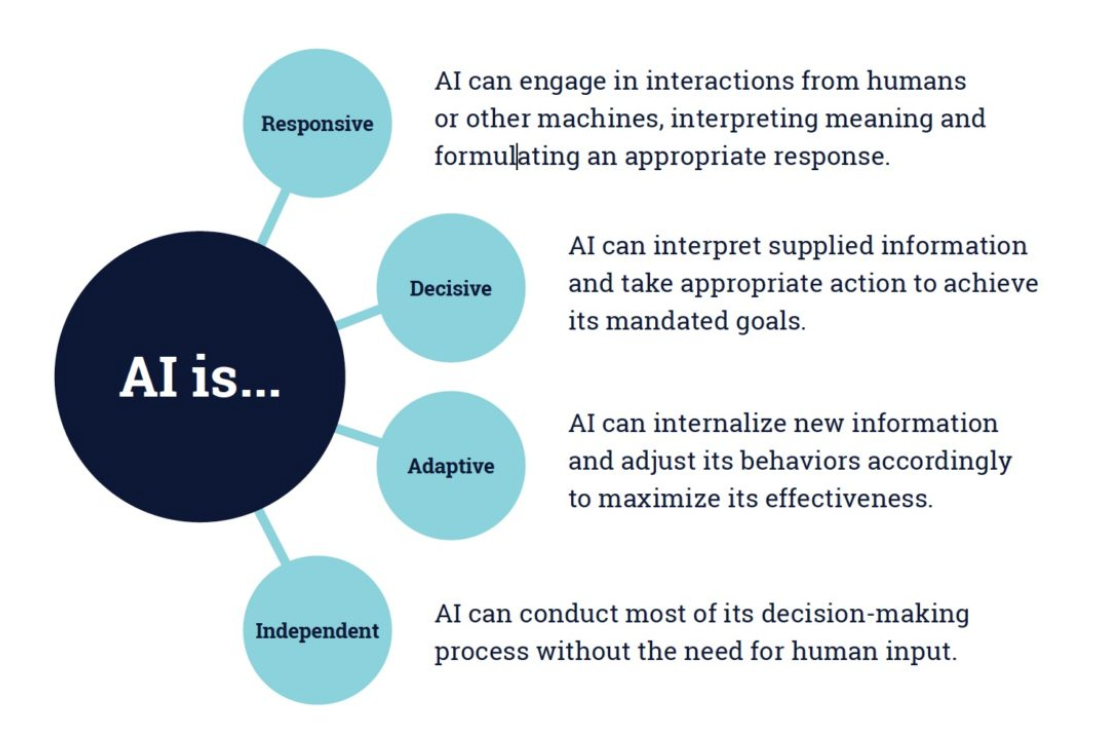
What AI can do in education Image: Klutka et al. (2018) is from Teaching in a Digital Age: Third Edition - General Copyright © 2022 by Anthony William (Tony) Bates is licensed under a Creative Commons Attribution-NonCommercial 4.0 International License.
Access transcript of the video.
Above video was created for "AI for teachers, An Open textbook" which is part of the project AI4T.
AI for Teachers: an Open Textbook Copyright © 2024 by Colin de la Higuera and Jotsna Iyer is licensed under a Creative Commons Attribution 4.0 International License,
Here is Telugu gist of above video:-
పై వీడియో సారాంశం కింద తెలుగులో ఉంది:-
కృత్రిమ మేథ అంటే ఏమిటి?
కృత్రిమ మేథకు (AI) అనేక నిర్వచనాలున్నాయి. ప్రతి సంస్థ, ప్రతి రచయిత దానిని విభిన్నంగా నిర్వచించారు. కాలక్రమంలో ఈ నిర్వచనాలు మారిపోతూ వచ్చాయి. దీనికి ఒక కారణం "మేథస్సు" అనే పదం నిర్వచించడానికి కష్టమైనదై ఉండటమే. ఉదాహరణకు, వికీపీడియా ప్రకారం — ఇది "కృత్రిమం" అనే పదాన్ని వాడుతుంది, అంటే మానవేతరమైనది. మేథస్సు అంటే ఏమిటో చెప్పకుండా, దాన్ని ఎలా ఉపయోగించవచ్చో వివరిస్తుంది: వాయిస్ గుర్తింపు, దృశ్య విశ్లేషణ, అనువాదం వంటి పనులన్నీ AIలోకి వస్తాయి. AI సాధారణంగా రెండు ప్రధాన రకాలుగా వర్గీకరించబడుతుంది:
1. నాలెడ్జ్-బేస్డ్ AI (జ్ఞానాధారిత AI):
ఇది మనుషుల జ్ఞానాన్ని కోడ్ రూపంలో కంప్యూటర్ ప్రోగ్రామ్లలో ప్రవేశపెట్టి పనిచేస్తుంది. దీనిని "ఎక్స్పర్ట్ సిస్టమ్స్" అని కూడా అంటారు. ఇది ప్రణాళిక, సమస్య పరిష్కారం, లాజిక్ వంటి మానవ మేథస్సుకు అవసరమైన అంశాలపై ఆధారపడి ఉంటుంది. దీనిలో "సింబాలిక్ AI" అనే విధానం ప్రముఖంగా ఉంటుంది, ఇది గణాంకాలు కాదు, కాన్సెప్ట్స్ ఆధారంగా పనిచేస్తుంది. అంటే, ఇది సంఖ్యల స్థానంలో ఆలోచనలను, కాన్సెప్ట్లను, సూత్రాలను విభజించి, నిర్మాణాత్మకంగా అల్గోరిథంలను తయారు చేస్తుంది. ఇప్పటి డేటా ఆధారిత AI తక్కువ సమయంలో గొప్ప పనులు చేస్తున్నా, దీని పరిమితి ఏమిటంటే — చిన్న పిల్లవాడు నేర్చుకునే పని చేయడానికి కూడా చాలా పెద్ద డేటా అవసరం అవుతుంది. అంటే మనం ఇంకా ఉత్తమమైన అల్గోరిథంలను ఉపయోగించట్లేదన్న సందేహం ఉంది.
2. డేటా-బేస్డ్ AI (దత్తాంశాధారిత AI):
ఇది వెబ్ నుంచి సేకరించిన డేటాను ఆధారంగా తీసుకుని, యంత్ర అభ్యాసం (Machine Learning) ద్వారా కొత్త నియమాలు లేదా ప్రోగ్రామ్లను రూపొందిస్తుంది. ఆధునిక AIలో ఈ విధానం ప్రముఖంగా ఉంది — దీని వల్ల డీప్ లెర్నింగ్ లాంటి సాంకేతికతలు ఎదిగాయి. అయితే ఆధునిక విధానాలు రెండు మేళవించి ఉంటాయి — నాలెడ్జ్ మరియు డేటా రెండింటినీ కలిపినవే.
AI చరిత్రలో ముఖ్యమైన ఘట్టాలు:
- 18వ, 19వ శతాబ్దాల రచయితల కలల నుంచే AI కల్పన ప్రారంభమైంది అని కొంతమంది అంటారు.
-
ప్రాచీన గ్రీకు తాత్వికులు కూడా మానవేతర మేథస్సు గురించి ఆలోచించారు.
-
-
1950: అలన్ ట్యూరింగ్ మొదటిసారిగా మేథస్సుగల యంత్రాల గురించి తన పేపర్లో చర్చించారు.
-
1956: అమెరికాలో కొంతమంది శాస్త్రవేత్తలు సమావేశమై, "AI" అనే పదాన్ని అధికారికంగా సూచిస్తూ, AI భవిష్యత్తు లక్ష్యాలను నిర్ణయించారు.
-
1997: నాటి వరల్డ్ చెస్ చాంపియన్ చెస్ చాంపియన్ గ్యారీ కాస్పరోవ్ను డీప్ బ్లూ అనే AI (కంప్యూటర్ ప్రోగ్రామ్) చదరంగం ఆటలో ఓడించింది. ఇది AI సామర్థ్యాన్ని ప్రపంచానికి చూపించిన ఘట్టం. - ఇది గేమ్ ఛేంజర్. ఆ తర్వాత కొందరు శాస్త్రవేత్తలు దీన్ని సాధించేందుకు ప్రయత్నిస్తూనే ఉన్నారు. కానీ కొన్నిసార్లు ఫలితం కనిపించకపోవడంతో AI పై విశ్వాసం తగ్గిపోయింది — వీటిని AI వింటర్ అంటారు.
ఈ రోజు తాత్వికులు మరియు నైతికవేత్తలు AIపై తీవ్రమైన చర్చలు చేస్తున్నారు — ముఖ్యంగా AI యొక్క ప్రభావం, బాధ్యత, నైతికత వంటి అంశాలపై.
-
"ఇంటెలిజెన్స్" అన్న పదం అస్పష్టంగా ఉంది. ఒక పని మిషన్ చేయగలిగిందంటే అది మేథస్సు కాదని మళ్ళీ నిర్వచనాలు మారిపోతున్నాయి.
-
ట్యూరింగ్ టెస్ట్: ఒక యంత్రం మానవునిలా మాట్లాడగలిగితే, దానిని మేథస్సుగలదిగా పరిగణించవచ్చు. ఈ టెస్ట్ AIలో మైలురాయి. కానీ ఇప్పుడు జనరేటివ్ AI (GPT వంటివి) దీన్ని దాటేశాయని కొందరి అభిప్రాయం.
ఇవన్నీ మరో ట్యూరింగ్ టెస్ట్ దాటి ఇక ముందు కృత్రిమ మేధస్సు ఎటు పోతుంది? "మేధస్సు అంటే ఏమిటి?", "మానవత్వం అంటే ఏమిటి?" అనే ప్రశ్నల వైపుకి మనల్ని నడిపిస్తున్నాయి.
2. Is using AI cheating: What are the teachers’ reactions?
Access the video transcript.
Is using AI cheating: What are the teachers’ reactions? by AI4Teachers is licensed under CC BY 4.0
Here is Telugu gist of the above video:-
పై వీడియోకు సారాంశాత్మకమైన తెలుగు అనువాదం
కృత్రిమ మేధస్సును ఉపయోగించడం మోసం చేయడమేనా? దీనిపై ఉపాధ్యాయుల స్పందనలేంటి?
విద్యారంగంలో కొంతకాలంగా, Photomath మరియు ఆటోమేటిక్ అనువాద సాధనాలు ఉపయోగంలో ఉన్నాయి. పిల్లలు, విద్యార్థులు తమ హోంవర్క్ చేయడానికి లేదా తాము చేయాల్సిన పనిని చేసేందుకు వీటిని ఉపయోగిస్తున్నారు. ఇది చూసిన ఉపాధ్యాయుల స్పందనలు ఎలా ఉన్నాయి? కొంతసేపు ఆలోచించండి — మీ స్పందన ఏంటి? మీరు ఇదివరకు ఎలా స్పందించారు? ఇప్పుడు ఏమనుకుంటున్నారు?
సాధారణంగా చర్చా గుంపులలో కనిపించే ఉపాధ్యాయుల స్పందనలు ఇవే:
-
అత్యంత ప్రతికూల స్పందన: "విద్యార్థి నేర్చుకోవాలనుకోకపోతే ఇది తల్లిదండ్రుల లేదా సమాజ సమస్యగా భావించడం. కానీ ఉపాధ్యాయునిగా ఇది సిఫార్సు చేయదగ్గ ధోరణి కాదు.
-
హెచ్చరిక ఇవ్వడం: పరీక్షల రోజున AI సాధనాలు ఉండవని విద్యార్థులను హెచ్చరించడం. ఇది ఉపయోగపడినా, దీని ద్వారా పరీక్షలకోసమే నేర్చుకోవాలి అన్న అర్థం వస్తుంది, కానీ నిజమైన విద్యలో అది ప్రధాన ఉద్దేశం కాదు.
-
నైతికంగా తప్పు అని భావించడం: "Photomath వంటివి తప్పు, వాడడం తప్పు" అని చెప్పడం. కానీ విద్యార్థి దృష్టిలో, చుట్టూ ఉన్నవారు (తల్లిదండ్రులు, సోదరులు) వీటిని వాడుతున్నప్పుడు, నైతికంగా తప్పు అనే భావన ఆ విద్యార్థికి విరుద్ధంగా అనిపించవచ్చు.
-
మోసం గుర్తించడమే లక్ష్యంగా పెట్టుకోవడం: ఉపాధ్యాయులు డిటెక్టివ్ల్లా మారడం, విద్యార్థి సమర్పించిన వర్క్ లో ఎప్పుడు, ఎక్కడ, ఎలా మోసం జరిగిందో కనుగొనడానికి యత్నించడం. దీన్ని ఆసరాగా తీసుకుని మోసం గుర్తించే సాధనాలను మార్కెట్లో సొమ్ముచేసుకుంటున్నాయి అనడం అతిశయోక్తి కాదు కదా! అయితే, AI కి ప్రశ్నలు వేయడం ద్వారా ఉపాధ్యాయులు అభ్యాసాన్ని మెరుగుపరచడం చేయవచ్చు: AI సాధనాలు మీ ప్రశ్నలకు ఎలా స్పందిస్తాయో చూసి, ప్రత్యక్ష సమాధానం రాకుండా ప్రశ్నల రూపాన్ని మార్చడం. అలాగే విద్యార్థులను AI సాధనాలు వాడి వాటి స్పందనపై స్పందించడమనడం చేయవచ్చు కదా! ఇక AIని బోధనలో భాగంగా మార్చడం: AI సాధనాలను బోధనలో చేర్చి, వాటితోపాటు భాషలు నేర్పడం. ఇలాంటివి వాస్తవిక పద్ధతులు, ప్రస్తుత కాలానికి అనుగుణంగా ఉంటాయి.
ముఖ్యమైన కొన్ని విషయాలు:
-
ప్రతి చోటా ఆయా పరిస్థితులు, విద్యావ్యవస్థను అనుసరించి AI వాడకం పై కొన్ని నిర్దేశించిన నియమాలు ఉన్నాయి, ఇవి వేగంగా మారుతుంటాయి.
-
ఈ టెక్నాలజీలు పనిచేయవు అని భ్రమలో ఉండకండి. అవి ఎలా పనిచేస్తాయో తెలుసుకోవడం ముఖ్యం.
-
మోసం గుర్తించగలవని చెప్పే ఎన్నో సాధనాలు ఉంటాయి, కానీ ఇవి ఇప్పటికీ పూర్తిగా నమ్మకంగా పనిచేయకపోవచ్చు.
మనం అందరం కూడా ఈ సాధనాలను ఎలా ఉపయోగించాలో, వాటితో ఎలా ముందుకు సాగాలో తెలుసుకోవాలి.
3. Leveraging AI for Content Creation (OER for STEM education) and Ethical practices
Please read the document Integrating AI in Multimedia & Illustration Design
This document explores the integration of artificial intelligence (AI) in multimedia and illustration design, highlighting how AI tools can enhance the creation of video, audio, and graphic content. Providing examples of AI applications in education, such as generating lab safety videos or custom illustrations, and emphasizes the importance of ethical and responsible AI usage.
The document also discusses the potential of AI to assist educators and content creators in producing engaging and pedagogically sound materials while maintaining a balance between AI-generated content and human oversight.
AI can play a helping hand role in enhancing the development of Open Educational Resources (OER), which can help in generation of multilingual, learning materials. It can support educators in designing interactive simulations, visual explanations, and personalized assessments that help in improving learner engagement and understanding.
However, ethical practices like ensuring transparency in AI-generated content, respecting intellectual property rights, avoiding bias in data and algorithms, and maintaining pedagogical integrity should guide the AI usage (Floridi et al., 2018).
Explore the list of AI tools given in AI Tools for Teachers, if you think there is any tool missing you can add one too!
In the next activity Reflection and Design Plan: AI-Generated OER for STEM, use an AI tool of your choice to generate a STEM lesson plan or its components and reflect on the process using the template provided aligned with AI Competency Framework for Teachers by UNESCO.
The AI Competency Framework for Teachers by UNESCO defines 15 competencies across five aspects—Human-centred mindset, Ethics of AI, AI foundations, AI pedagogy, and AI for professional development—organized into three progression levels: Acquire, Deepen, and Create.
It aims to empower teachers to use AI ethically and effectively in education while safeguarding human agency and promoting inclusivity.
The framework serves as a global reference for developing national AI competency frameworks, teacher training programs, and assessment tools. It emphasizes lifelong professional learning and the transformative potential of AI in education.
The five aspects of competency and their progression levels of the AI Competency Framework for Teachers by UNESCO :-
| Aspect | Acquire | Deepen | Create |
|---|---|---|---|
| 1. Human-centred mindset | Human agency | Human accountability | Social responsibility |
| 2. Ethics of AI | Ethical principles | Safe and responsible use | Co-creating ethical rules |
| 3. AI foundations and applications | Basic AI techniques and applications | Application skills | Creating with AI |
| 4. AI pedagogy | AI-assisted teaching | AI–pedagogy integration | AI-enhanced pedagogical transformation |
| 5. AI for professional development | AI enabling lifelong professional learning | AI to enhance organizational learning | AI to support professional transformation |
Read in Telugu:-
దయచేసి ఈ డాక్యుమెంట్ను చదవండి: - Integrating AI in Multimedia & Illustration Design
ఈ డాక్యుమెంట్ మల్టీమీడియా మరియు ఇలస్ట్రేషన్ డిజైన్లో కృత్రిమ మేధస్సు (AI) ఏకీకరణపై దృష్టి సారించి, వీడియోలు, ఆడియోలు, గ్రాఫిక్ కంటెంట్ వంటి అంశాల సృష్టిని మెరుగుపరిచేలా AI సాధనాలు ఎలా ఉపయోగపడతాయో వివరిస్తుంది. దీనిలో విద్యలో AI అనువర్తనాలకు ఉదాహరణలు ఉన్నాయి, ఉదా: ల్యాబ్ సేఫ్టీ వీడియోలు సృష్టించడం, లేదా అనుకూలమైన చిత్రాలు రూపొందించడం. అంతేగాక, నైతికత మరియు బాధ్యతాయుతంగా AI ఉపయోగించే ప్రాముఖ్యతను కూడా ప్రతిపాదిస్తుంది.
ఈ డాక్యుమెంట్ AI ను ఉపాధ్యాయులు మరియు కంటెంట్ క్రియేటర్లు ఆసక్తికరమైన, బోధనపరంగా ప్రభావవంతమైన పాఠ్యపదార్థాలను తయారు చేయడంలో ఎలా సహాయం చేయగలదో కూడా వివరిస్తుంది. AI ఉత్పత్తి చేసిన కంటెంట్ మరియు మానవ పర్యవేక్షణ మధ్య సరైన సమతుల్యత అవసరం అని పేర్కొంటుంది.
AI, బహుభాషా మరియు విద్యార్థి అనుగుణంగా ఉండే ఓపెన్ ఎడ్యుకేషనల్ రిసోర్సెస్ (OER) అభివృద్ధికి తోడ్పడగలదు. ఇది ఇంటరాక్టివ్ సిమ్యులేషన్లు, విజువల్ వివరణలు, వ్యక్తిగత మౌల్యాంకనాలను రూపొందించడంలో ఉపాధ్యాయులకు మద్దతుగా ఉంటూ, విద్యార్థుల నిమగ్నత మరియు అవగాహనను మెరుగుపరచడంలో సహాయపడుతుంది.
అయితే, AI వినియోగంలో నైతిక ప్రమాణాలు పాటించాలి:
-
AI ఉత్పత్తి చేసిన కంటెంట్లో పారదర్శకత
-
మేధస్సు హక్కులను గౌరవించడం
-
డేటా మరియు అల్గోరిథమ్స్లో పక్షపాతాన్ని నివారించడం
-
బోధనా ప్రమాణాలను కాపాడడం
(Floridi et al., 2018)
AI Tools for Teachers అనే జాబితాలో పేర్కొన్న AI సాధనాలను పరిశీలించండి. ఏవైనా సాధనాలు మిస్ అయినట్లయితే, మీరు కొత్తది కూడా చేర్చవచ్చు!
తదుపరి అభ్యాసంలో "Reflection and Design Plan: AI-Generated OER for STEM, "—మీకు నచ్చిన AI సాధనాన్ని ఉపయోగించి ఒక STEM లెసన్ ప్లాన్ లేదా దాని భాగాలను రూపొందించండి. తరువాత, UNESCO రూపొందించిన AI Competency Framework for Teachers కి అనుగుణంగా ఇచ్చిన టెంప్లేట్ ఉపయోగించి, మీ ప్రక్రియపై ప్రతిబింబం వ్రాయండి.
AI Competency Framework for Teachers (UNESCO) ఈ క్రింది ఐదు అంశాల్లో 15 నైపుణ్యాలను నిర్వచిస్తుంది:
-
మానవ కేంద్రిత దృక్పథం
-
AI నైతికత
-
AI పునాది విజ్ఞానం
-
AI బోధన
-
వృత్తిపరమైన అభివృద్ధికి AI
ఈ నైపుణ్యాలు మూడు స్థాయిలుగా విభజించబడ్డాయి:
Acquire (సాధన), Deepen (ఆలోచన), Create (సృజన)
ఈ ఫ్రేమ్వర్క్ ఉపాధ్యాయులను AI ని నైతికంగా మరియు సమర్థవంతంగా విద్యలో వినియోగించేందుకు శక్తివంతంగా చేస్తుంది, మానవాధిపత్యాన్ని కాపాడుతూ, సమావేశాన్ని ప్రోత్సహిస్తుంది.
ఇది జాతీయ స్థాయి AI నైపుణ్య ఫ్రేమ్వర్క్లు, ఉపాధ్యాయ శిక్షణా కార్యక్రమాలు, మౌల్యాంకన పద్ధతుల అభివృద్ధికి గ్లోబల్ రిఫరెన్స్గా ఉపయోగపడుతుంది. ఇది జీవితాంతం అభ్యాసానికి ప్రాధాన్యత ఇస్తూ, విద్యలో AI తీసుకురాగల మార్పులను AI సామర్థ్యాన్ని హైలైట్ చేస్తుంది.
యునెస్కో రూపొందించిన ఉపాధ్యాయుల కొరకు AI నైపుణ్య ఫ్రేమ్వర్క్లోని ఐదు అంశాలు మరియు వాటి పురోగతి స్థాయిలు (Acquire, Deepen, Create):
| అంశం | Acquire (సాధన) | Deepen (ఆలోచన) | Create (సృజన) |
|---|---|---|---|
| 1. మానవ కేంద్రిత దృక్పథం | మానవాధిపత్యం (Human agency) | మానవ బాధ్యత (Human accountability) | సామాజిక బాధ్యత (Social responsibility) |
| 2. AI నైతికత | నైతిక సిద్ధాంతాలు (Ethical principles) | సురక్షితమైన మరియు బాధ్యతాయుత వినియోగం (Safe and responsible use) | సహసృష్టి నైతిక నియమాలు (Co-creating ethical rules) |
| 3. AI పునాదులు మరియు అనువర్తనాలు | ప్రాథమిక AI సాంకేతికతలు మరియు అనువర్తనాలు (Basic AI techniques and applications) | అనువర్తన నైపుణ్యాలు (Application skills) | AI తో సృజన (Creating with AI) |
| 4. AI బోధన | AI ఆధారిత బోధన (AI-assisted teaching) | AI – బోధన సమన్వయం (AI–pedagogy integration) | AI ఆధారిత బోధనలో పరివర్తన (AI-enhanced pedagogical transformation) |
| 5. వృత్తిపరమైన అభివృద్ధికి AI | జీవితాంతం వృత్తిపరమైన అభ్యాసానికి AI (AI enabling lifelong professional learning) | సంస్థాగత అభ్యాసాన్ని మెరుగుపరచడానికై AI (AI to enhance organizational learning) | వృత్తిపరమైన మార్పులకు మద్దతుగా AI (AI to support professional transformation) |
ఈ పట్టిక ఉపాధ్యాయుల AI నైపుణ్యాల్లో పురోగతిని మూడు దశలుగా అభివృద్ధి చేసేందుకు మార్గదర్శిని.
ఇది వారికి AI ని బాధ్యతాయుతంగా, సమర్థవంతంగా విద్యలో వినియోగించేందుకు శక్తినివ్వడం లక్ష్యంగా రూపొందించబడింది.
4. Crafting Prompts with Chat GPT
Please have a look at this resource on prompt creation using ChatGPT.